The Importance of Sustainable Living in Today's World

In a world increasingly affected by climate change, pollution, and resource depletion, the concept of sustainable living has gained significant traction. More than just a trend, sustainable living represents a lifestyle choice that prioritizes the health of our planet and future generations. This blog post will explore the importance of sustainable living, practical steps to adopt it, and the benefits it brings to individuals and communities alike.

Understanding Sustainable Living
Sustainable living refers to a lifestyle that seeks to minimize an individual's or society's use of the Earth's natural resources. It encompasses various practices aimed at reducing waste, conserving energy, and promoting ecological balance. The goal is to create a harmonious relationship between humans and the environment, ensuring that future generations can thrive.
Key Principles of Sustainable Living
Reduce, Reuse, Recycle: This classic mantra encourages individuals to minimize waste by reducing consumption, reusing items, and recycling materials whenever possible.
Conserve Energy: Using energy-efficient appliances, switching to renewable energy sources, and being mindful of energy consumption can significantly reduce one's carbon footprint.
Sustainable Transportation: Opting for public transport, biking, walking, or carpooling can help decrease greenhouse gas emissions associated with personal vehicles.
Support Local and Organic: Purchasing locally-sourced and organic products not only supports local economies but also reduces the environmental impact associated with transportation and chemical use in agriculture.
Water Conservation: Simple practices like fixing leaks, using water-efficient fixtures, and collecting rainwater can help conserve this precious resource.
The Urgency of Sustainable Living
The need for sustainable living has never been more pressing. According to the United Nations, the world is facing a climate crisis that threatens ecosystems, economies, and human health. Here are some alarming statistics:
Rising Temperatures: Global temperatures have risen by approximately 1.2 degrees Celsius since the late 19th century, leading to extreme weather events.
Plastic Pollution: An estimated 300 million tons of plastic are produced each year, with a significant portion ending up in oceans, harming marine life and ecosystems.
Deforestation: The world loses about 10 million hectares of forest each year, contributing to biodiversity loss and climate change.
These figures highlight the urgent need for individuals and communities to adopt sustainable practices to mitigate these issues.
Practical Steps to Embrace Sustainable Living
Transitioning to a sustainable lifestyle may seem daunting, but small changes can lead to significant impacts. Here are some practical steps anyone can take:
1. Start with Your Home
Energy Efficiency: Replace incandescent bulbs with LED lights, unplug devices when not in use, and consider investing in solar panels.
Waste Management: Set up a recycling system at home and compost organic waste to reduce landfill contributions.
2. Rethink Your Diet
Plant-Based Meals: Incorporate more plant-based foods into your diet. Even one meatless day a week can make a difference.
Seasonal Eating: Choose fruits and vegetables that are in season and locally grown to reduce transportation emissions.
3. Get Involved in Your Community
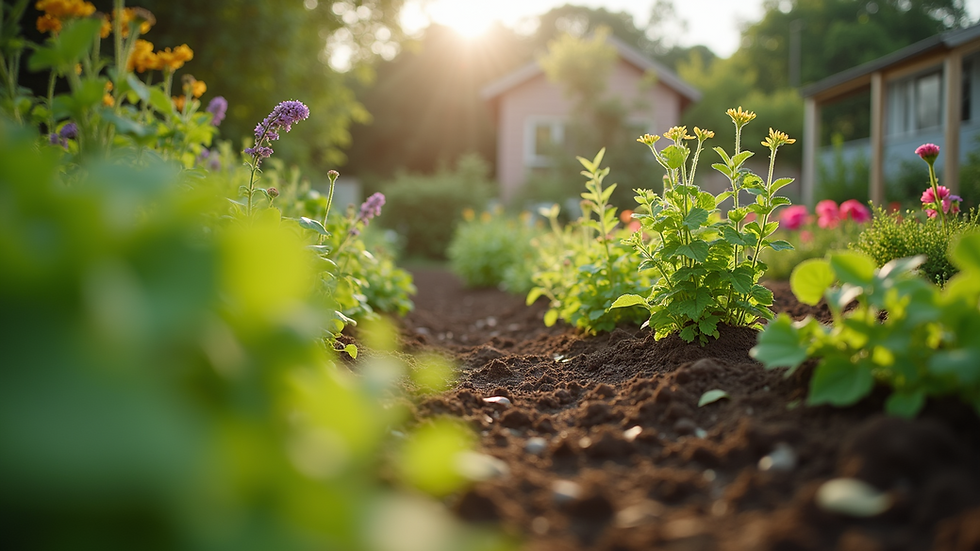
Community Gardens: Participate in or start a community garden to promote local food production and strengthen community ties.
Advocacy: Support local policies and initiatives that promote sustainability, such as clean energy projects and waste reduction programs.
4. Educate Yourself and Others
Stay Informed: Read books, attend workshops, and follow credible sources on sustainability to stay updated on best practices.
Share Knowledge: Encourage friends and family to adopt sustainable habits by sharing what you learn.
The Benefits of Sustainable Living
Adopting a sustainable lifestyle not only benefits the planet but also enhances personal well-being and community resilience. Here are some key advantages:
1. Healthier Living
Sustainable living often leads to healthier choices, such as consuming organic foods and engaging in outdoor activities. This can result in improved physical and mental health.
2. Financial Savings
While some sustainable practices may require an initial investment, they often lead to long-term savings. For example, energy-efficient appliances can lower utility bills, and reducing waste can decrease spending on disposable products.
3. Stronger Communities
Sustainable living fosters a sense of community as individuals come together to support local initiatives, share resources, and collaborate on projects that benefit everyone.
4. Environmental Protection
By adopting sustainable practices, individuals contribute to the preservation of natural resources, biodiversity, and ecosystems, ensuring a healthier planet for future generations.
Overcoming Challenges to Sustainable Living
While the benefits of sustainable living are clear, many individuals face challenges in making the transition. Here are some common obstacles and how to overcome them:
1. Lack of Awareness
Many people are unaware of the impact their choices have on the environment. Education and awareness campaigns can help bridge this gap.
2. Convenience
Sustainable options may seem less convenient than traditional choices. However, planning ahead and creating routines can make sustainable practices easier to adopt.
3. Financial Constraints
Some sustainable products may have a higher upfront cost. However, focusing on long-term savings and seeking out local resources can help mitigate these expenses.
Conclusion
Sustainable living is not just a personal choice; it is a collective responsibility. By making conscious decisions and encouraging others to do the same, we can create a healthier planet for ourselves and future generations. The journey toward sustainability may have its challenges, but the rewards are well worth the effort. Start small, stay informed, and remember that every action counts. Together, we can make a significant impact on our world.

Comments