The Importance of Sustainable Living in Today's World

Sustainable living is no longer just a trend; it has become a necessity. As we face the challenges of climate change, resource depletion, and environmental degradation, adopting a sustainable lifestyle can significantly impact our planet's future. This blog post will explore the importance of sustainable living, practical steps to implement it, and the benefits it brings to individuals and communities.

Understanding Sustainable Living
Sustainable living refers to making choices that reduce an individual's or society's use of the Earth's natural resources. It encompasses various practices aimed at minimizing environmental impact while promoting social equity and economic viability.
Key Principles of Sustainable Living
Reduce, Reuse, Recycle: This classic mantra emphasizes minimizing waste by reducing consumption, reusing items, and recycling materials whenever possible.
Conserve Energy: Using energy-efficient appliances, switching to renewable energy sources, and reducing energy consumption can significantly lower carbon footprints.
Sustainable Transportation: Opting for public transport, biking, walking, or carpooling can reduce greenhouse gas emissions and traffic congestion.
Support Local Economies: Buying local products supports community businesses and reduces the carbon footprint associated with transporting goods over long distances.
Mindful Consumption: Being aware of the environmental impact of products and choosing sustainable options can lead to more responsible consumption patterns.
The Impact of Unsustainable Practices
Unsustainable practices have far-reaching consequences. Here are some of the most pressing issues:
Climate Change: The burning of fossil fuels and deforestation contribute to rising global temperatures, leading to extreme weather events, rising sea levels, and loss of biodiversity.
Resource Depletion: Overconsumption of resources like water, fossil fuels, and minerals threatens their availability for future generations.
Pollution: Industrial waste, plastic pollution, and chemical runoff contaminate air, water, and soil, posing health risks to humans and wildlife.
Social Inequality: Unsustainable practices often disproportionately affect marginalized communities, leading to social and economic disparities.
Practical Steps to Embrace Sustainable Living
Transitioning to a sustainable lifestyle may seem daunting, but small changes can lead to significant impacts. Here are some practical steps to get started:
1. Reduce Waste
Compost: Start composting kitchen scraps and yard waste to reduce landfill contributions and create nutrient-rich soil for gardening.
Choose Bulk: Buy in bulk to minimize packaging waste and save money.
Ditch Single-Use Plastics: Use reusable bags, bottles, and containers to cut down on plastic waste.
2. Conserve Water
Fix Leaks: Repairing leaks in faucets and toilets can save gallons of water daily.
Install Water-Saving Devices: Use low-flow showerheads and faucets to reduce water usage without sacrificing performance.
Collect Rainwater: Set up a rain barrel to collect rainwater for watering plants and gardens.
3. Opt for Renewable Energy
Solar Panels: Consider installing solar panels to harness renewable energy and reduce reliance on fossil fuels.
Green Energy Providers: Choose energy providers that offer renewable energy options.
4. Grow Your Own Food
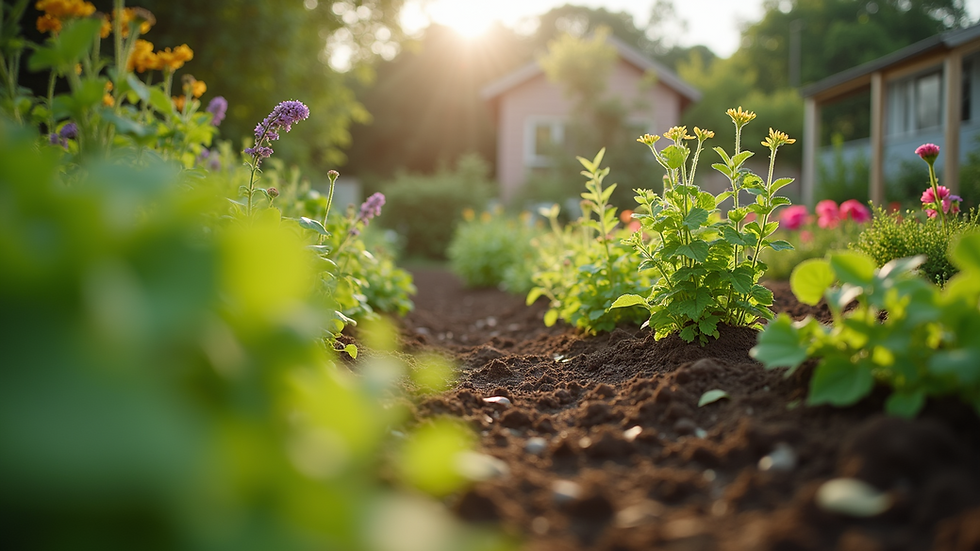
Start a Garden: Growing your own fruits and vegetables can reduce reliance on store-bought produce and lower your carbon footprint.
Join a Community Garden: If space is limited, joining a community garden can provide access to fresh produce while fostering community connections.
5. Educate and Advocate
Spread Awareness: Share information about sustainable practices with friends and family to inspire collective action.
Support Policies: Advocate for policies that promote sustainability at local, national, and global levels.
The Benefits of Sustainable Living
Embracing a sustainable lifestyle offers numerous benefits that extend beyond environmental impact:
1. Healthier Lifestyle
Sustainable living often promotes healthier choices, such as consuming organic foods, engaging in physical activities like biking or walking, and reducing exposure to harmful chemicals.
2. Financial Savings
While some sustainable practices may require an initial investment, they often lead to long-term savings. For example, energy-efficient appliances can lower utility bills, and growing your own food can reduce grocery expenses.
3. Enhanced Community Connections
Participating in local sustainability initiatives fosters a sense of community and encourages collaboration among residents. This can lead to stronger social ties and a more supportive environment.
4. Increased Resilience
Sustainable practices can help communities become more resilient to environmental changes and economic fluctuations. By supporting local economies and reducing dependence on global supply chains, communities can better withstand crises.
5. Legacy for Future Generations
By adopting sustainable practices, individuals contribute to a healthier planet for future generations. This legacy of stewardship can inspire others to continue the work of protecting the environment.
Overcoming Challenges to Sustainable Living
While the benefits of sustainable living are clear, many individuals face challenges in making the transition. Here are some common obstacles and strategies to overcome them:
1. Lack of Knowledge
Many people may not know where to start. Education is key. Utilize online resources, attend workshops, or join local sustainability groups to gain knowledge and support.
2. Perceived High Costs
Some sustainable products may seem expensive upfront. However, consider the long-term savings and environmental benefits. Look for second-hand options or community programs that offer affordable sustainable choices.
3. Convenience
Sustainable choices may require more effort, such as meal planning or using public transport. Start small by incorporating one or two sustainable practices into your routine and gradually expand as you become more comfortable.
4. Social Norms
Peer pressure can influence lifestyle choices. Surround yourself with like-minded individuals who support sustainable living, and share your journey to inspire others.
Conclusion
Sustainable living is essential for the health of our planet and future generations. By making conscious choices and embracing sustainable practices, we can collectively create a positive impact. Start small, educate yourself, and inspire others to join the movement. Together, we can build a more sustainable world for all.
By adopting sustainable living practices, you not only contribute to a healthier planet but also enhance your quality of life. Take the first step today and explore how you can make a difference in your community and beyond.

Comments